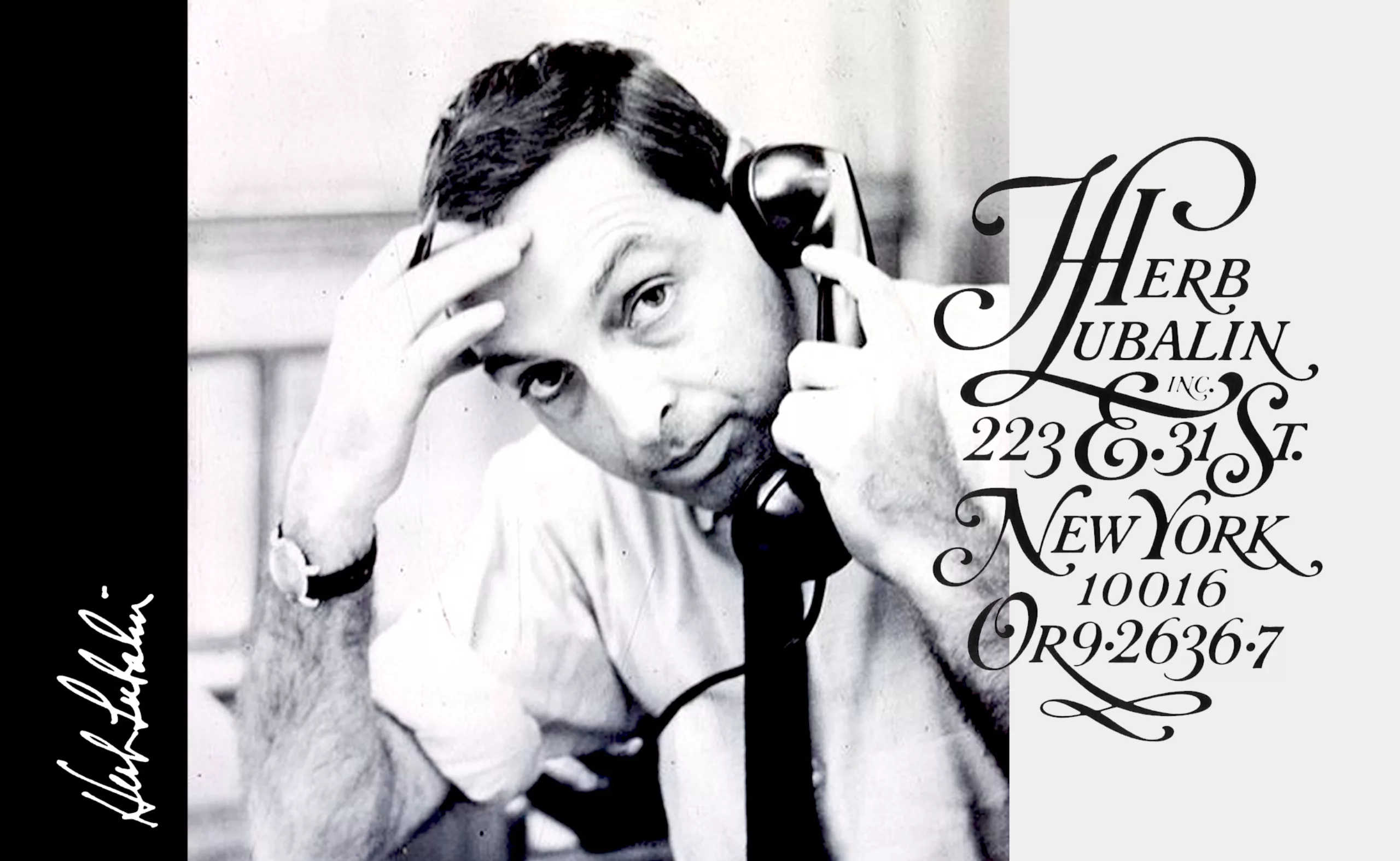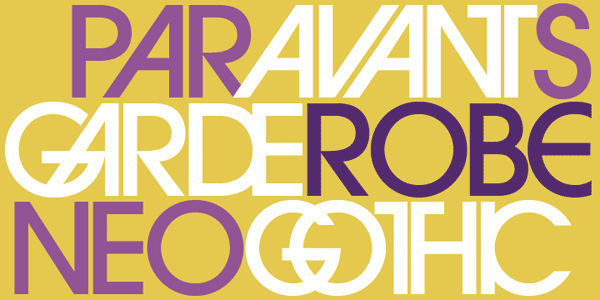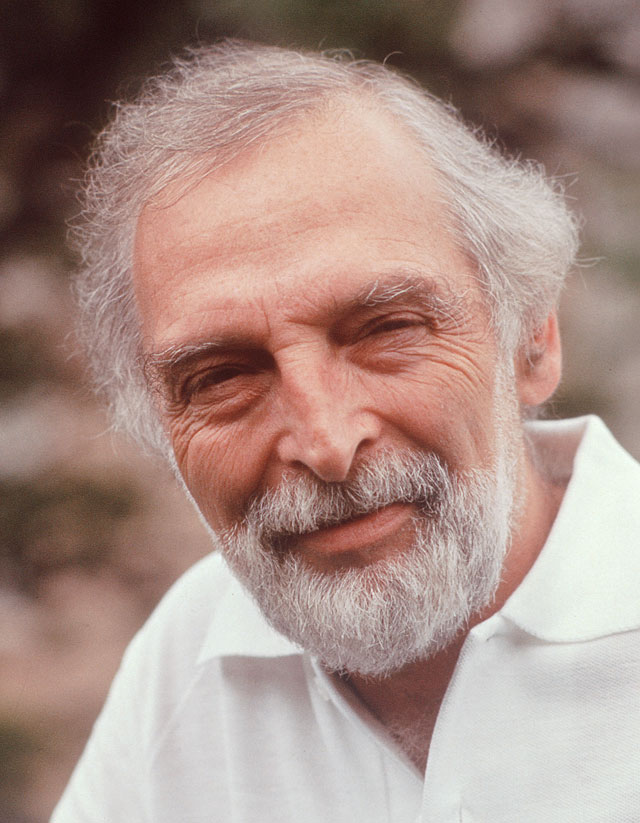
Herb Lubalin is a highly influential type designer who helped expand the role of typography in modern graphic design. AGI calls him, along with Bradbury Thompson, a pioneer in applying typography to visual communication. This description is significant because it shows that Lubalin is not only known for his beautifully designed typography, but also for changing the function of typography in design. He did not treat typography as a carrier of information, but rather as an expressive visual element. His notable achievements have also placed him in important positions in the fields of editorial and typographic design. AGI mentions his involvement in the production of magazines such as Eros and Avant Garde, and the creation and design of U&lc magazine for ITC, which was distributed globally. These projects earned him a large audience and helped him spread his ideas to different design fields. His importance is also reflected in the Herb Lubalin Centre for Design and Typography at Cooper Union College. Founded in 1985, the center still preserves his core works.
Another reason for Lubalin's profound influence lies in his support of new technologies. The Encyclopædia Britannica explains that phototypography gave designers greater flexibility: fonts could be any size, spacing between letters and lines could be compressed, letters could be enlarged, shrunk, or spliced, and so on. The Encyclopædia Britannica specifically points out that Lubalin was one of the designers who put these new possibilities into practice. This is important because it helps explain why his work is so unique. His era allowed for more experimental typography, and he took full advantage of this opportunity. In my opinion, this is the main reason why he remains outstanding to this day. He not only practiced new technologies but also transformed them into a highly recognizable design language. Therefore, Lubalin's influence stems from both his historical significance and the visual impact of his work itself.